
Choosing Your Wool — Fiber Grades Explained
Not all wool works the same way. We break down micron counts, crimp structure, and why merino differs from corriedale for felting projects.
Author
Sorboique Editorial Team
Editorial Team
Written by the sorboique Editorial Team, focused on practical, honest guidance for felt wool craft and needle felting beginners.
Why Fiber Grades Matter
When you're starting with felting, you'll quickly discover that wool isn't just wool. There's a big difference between cheap craft wool and properly prepared fiber, and it'll show in your finished work. The quality, fineness, and preparation of your wool directly affects how quickly it felts, how smooth your final piece looks, and whether you'll actually enjoy the process or get frustrated halfway through.
Here's the thing — understanding fiber grades isn't complicated once you know what to look for. It's really about three main factors: micron count (fiber diameter), crimp structure (the natural waves in the fiber), and preparation method. Get these right, and you'll have wool that responds beautifully to felting needles or wet felting techniques.
Understanding Micron Counts
Microns measure the diameter of individual wool fibers. One micron is one millionth of a meter — impossibly tiny, but the difference between 18 and 25 microns is absolutely visible in your work.
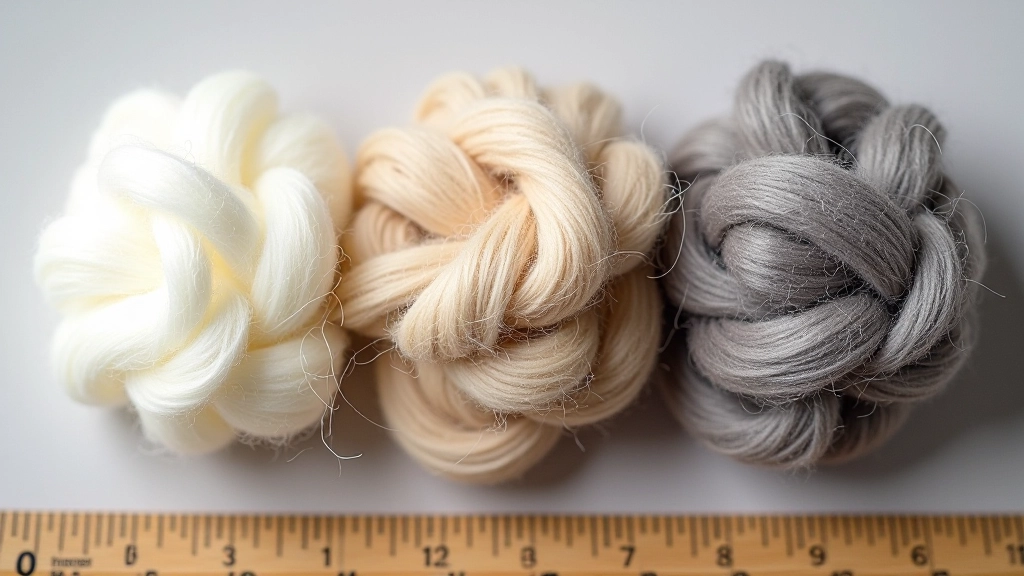
- Fine (16-20 microns): Merino and high-quality blends. Soft, takes longer to felt, excellent for detailed work.
- Medium (20-25 microns): Corriedale, Romney. Good balance. Felts faster than fine wool, still soft.
- Coarse (25+ microns): Icelandic, Shetland. Felts quickly, scratchier texture, good for sculptural pieces.
We tend to recommend medium-grade wool for beginners. You'll see results faster than with fine merino, but you won't deal with the scratchiness of coarse wool. Plus, medium grades are often cheaper, so you won't feel bad experimenting.
Quick Reference: Fiber Grades at a Glance
Fine
16-20 μm, slow felting, ultra-soft
Medium
20-25 μm, balanced, beginner-friendly
Coarse
25+ μm, fast felting, texture
Crimp Structure and Preparation
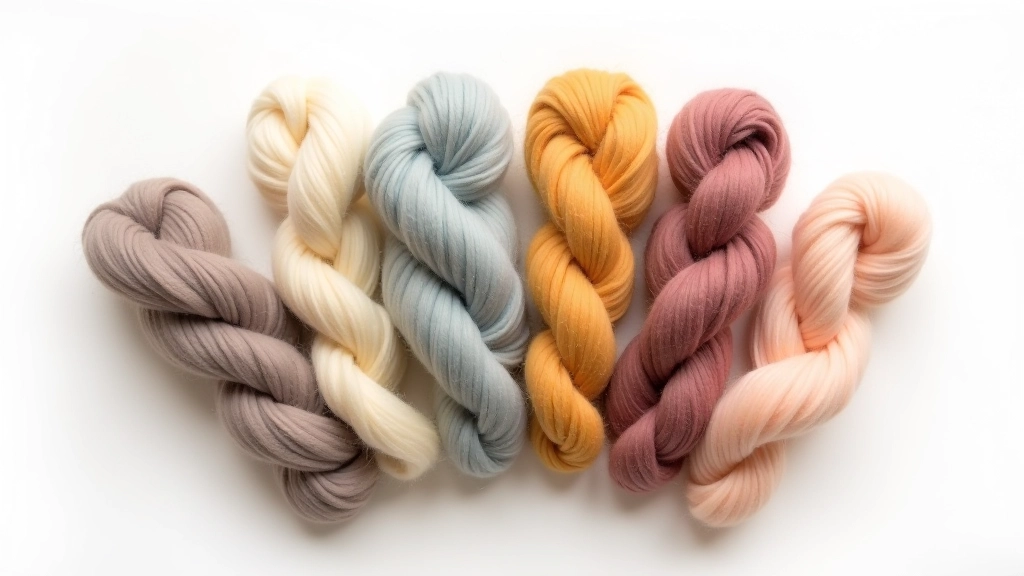
Crimp is the natural wave pattern in wool fibers. It's not just aesthetic — it's functional. More crimp means more surface area for friction, which speeds up felting. That's why loosely crimped wool takes forever to felt, while highly crimped wool practically felts itself.
But there's a catch. The way wool's prepared matters just as much as the breed. Carded wool (where fibers are combed into fluffy batts) is ready to go straight into your project. Roving is slightly more organized and felts more predictably. Combed top is the most refined preparation — all fibers aligned in the same direction, which is excellent for wet felting but sometimes feels too slick for needle felting beginners.
Don't overthink this part. We've found that carded or loosely roving works perfectly well for learning. You'll develop a feel for how different preparations behave once you've actually worked with them.
Disclaimer: Fiber specifications and micron counts vary between suppliers. Always check the label on your specific wool purchase. Different sources may use slightly different testing methods. This guide provides general educational information about wool grades — for exact specifications of the wool you're purchasing, refer to the manufacturer's documentation.
Merino vs. Corriedale: A Real Comparison
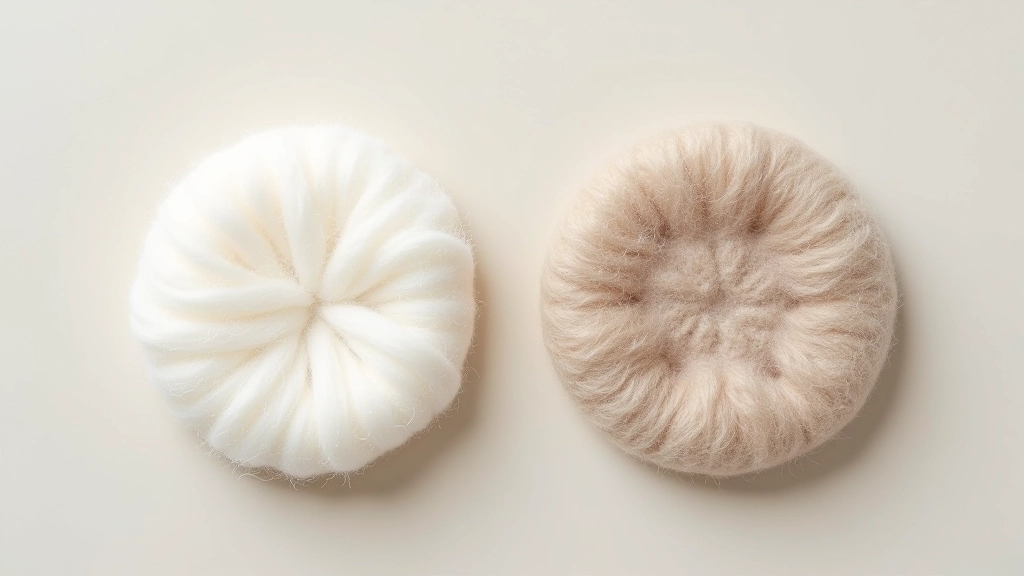
Let's talk about the two most common wools you'll encounter as a beginner. Merino is the darling of the fiber world — incredibly soft, fine fibers (around 18-20 microns), beautiful natural luster. You'll see it everywhere. It's gorgeous, and we love working with it.
Here's what nobody mentions: merino takes forever to felt. We're talking 20-30 minutes of needle felting for work that'd take 8-10 minutes with corriedale. The fibers are so fine that they need lots of needle penetration to lock together. Your hand will get tired.
Corriedale, by contrast, felts quickly and smoothly. The fibers are slightly coarser (around 23-25 microns), with good crimp. It's not as soft as merino, but it's still pleasant to work with. For a beginner coaster or small sculptural piece, corriedale will give you results in half the time.
Practical Tips for Buying Wool
Check the Label
Good suppliers list micron count, fiber preparation, and sometimes crimp percentage. Don't buy from vendors who don't provide this information.
Start with Samples
Buy small amounts of different grades before committing to a full bag. You'll quickly figure out what feels good in your hands and what felts at your preferred speed.
Trust Your Hands
Micron counts matter, but feel the wool. If it feels scratchy, it probably is. If it feels like butter, it'll work beautifully even if the micron count seems high.
Color Doesn't Affect Felting
Natural white, cream, and colored wool all behave the same. Pick colors you love. The felting speed depends on fiber grade, not dye.
Finding Your Sweet Spot
The truth is, you don't need to become a fiber scientist to choose good wool. You need to understand three things: microns affect softness and felting speed, crimp affects how quickly fibers lock, and preparation affects how the wool behaves in your hands. Medium-grade wool (around 23-25 microns) that's carded or loosely roving is the sweet spot for beginners. It'll felt quickly enough to keep you motivated, it's soft enough to enjoy working with, and it won't cost a fortune while you're learning.
Once you've done a few projects, you'll develop instincts. You'll feel the difference between fibers instantly. You'll know which grades work for detailed faces and which ones are better for chunky sculptures. That knowledge comes from experience, not from memorizing micron charts. So pick up some wool, start felting, and let your hands teach you what works.
Ready to start your first project?
Read: Your First Wet Felting Project